.svg)


Greetings, everyone.
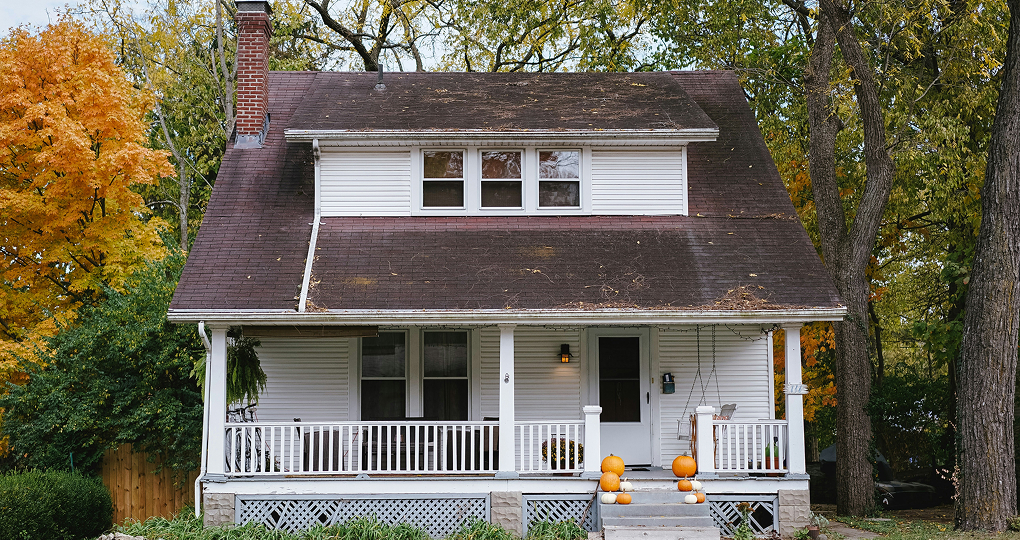
It’s a new year—let’s look at your home and take inventory of its condition as of January 1st.
What is 1/1? It’s the first day of the year, which the Appraisal District calls the “Valuation Date.” Think of it as a snapshot of your home’s condition on that exact day.
The District's appraisers are currently inspecting properties, especially new construction, to note their status as of January 1st. This snapshot determines the value on which your home will be taxed. For new builds, the value can soar from zero (slab) to sky-high (finished-out) based on this date.
For every homeowner, this means you need to conduct your own inspection as of January 1st. Your property value is likely already high, and you want to find issues that could lower it.
Start by checking the big-ticket items: HVAC, Roof, and Foundation.
Timing is critical: Issues that existed prior to January 1st can be used in your value protest. Issues that occur after January 1st are technically beyond the valuation date, though the appraiser may still consider them.
Get proof! The Appraisal District wants documentation. Take good photos of any problems you find.
Exaggerated Example: If your house burned down on December 24th, the value on January 1st is low (a pile of rubble). If your house burned down on January 10th, the value on January 1st was still high (it was a beautiful home then). In a catastrophe like this, the District may show mercy if you have sufficient pictures and documentation.
For most, January 1st is just New Year's Day. For the District, it’s the date they use to assess your home's condition and value.
-------------------------------------------------------------------------
This article is for informational purposes only and does not constitute legal or tax advice.